

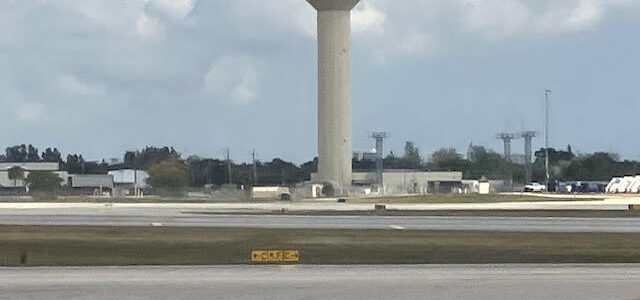
What are “Near Misses”? Are They Common at Reagan National Airport (DCA) near Washington, DC?
While many of our elected officials, members of the judiciary, and other government VIPs prefer to fly in and out of Reagan National Airport (DCA), data recently analyzed by the National Transportation Safety Board (NTSB) indicates that DCA was a site of at least one near collision between an airplane and a helicopter each month from 2011 to 2024. Over 60% of these near misses occurred at night, and more than half may have involved choppers flying above their maximum designated altitude.
In light of these findings, the Federal Aviation Administration (FAA) recently banned most helicopter flights along a portion of the route that the Black Hawk helicopter took during its crash with a commercial aircraft above the Potomac River. Additionally, the FAA has strictly limited the use of “visual separation,” where a pilot goes on their own visual field rather than instruction from the air traffic controllers.
This maneuver is used frequently by pilots, flying choppers and smaller aircraft, but much less frequently for large commercial jets. When flying privately to visit with clients and try cases, Doug Landau observed his pilots using visual separation in and around smaller, domestic airports. When using this strategy, aircraft pilots take on responsibility for noticing, and steering clear of, air traffic in their vicinity if certain conditions like good visibility, clear weather, etc. are met. The industry views visual separation as essential to keep traffic moving, however, there are circumstances where pilots have difficulty seeing and avoiding nearby aircraft. Visual separation has been implicated in at least 40 fatal collisions since 2010, according to the NTSB, and also led to safety warnings to pilots from both the FAA and the NTSB.
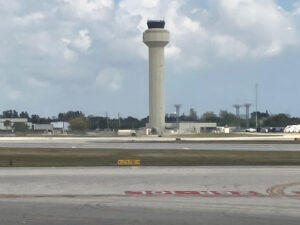
When fast moving aircraft go without air traffic controller assistance, catastrophes can occur because of human error, technology failures, blind spots, and environmental conditions. When utilizing visual separation, every pilot is vulnerable to the threat of midair collision with unseen aircraft. Especially if coupled with a difficult airport approach, such as that of Reagan National Airport, a pilot has to be in an extreme defensive posture and bring all of their skills to bear. Flying into Reagan National is like trying to thread a needle, because of so many structures that pilots are not allowed to fly over, such as the Pentagon, White House, Capitol, CIA headquarters, and other national buildings.
While we recognize the need for emergency situation training for military chopper pilots, evacuations from our nation’s Capital, and flying “silently” so as not to be detected for security reasons, new safety protocols need to be put in place, especially when visual separation is requested by pilots of either helicopters or jet aircraft. The skies in the Washington DC area are especially crowded because of the three major airports, Washington Dulles International (“IAD”), Baltimore Washington International (“BWI”) and Reagan National (“DCA”), so the air traffic in our skies is full of fast flying commercial jets, military aircraft, private planes, and most importantly, a need for tightly regulated safety measures.
If you or someone you love has been injured in an airplane collision or any airport-related accident, don’t wait. Lawyer Doug Landau and the team at ABRAMS LANDAU, Ltd. are committed to advocating for injured passengers and their families. Contact us today to get experienced legal help tailored to aviation-related injuries.