


Can you lose your airplane injury case because of a “deadhead?”

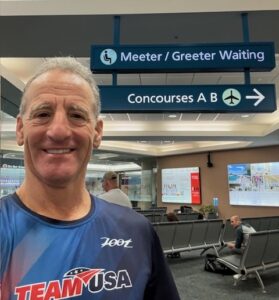
What is Deadheading? Deadheading is the practice of carrying, at no charge, an airline’s own staff on a regular commercial flight so that they can be at the airport where their shift will be initiated. It is the repositioning of crew (pilots, mechanics, flight attendants, security, etc.) by flying them as passengers on a flight to another location where they are needed, or the airline is short-staffed. When Doug Landau flew to Montreal to compete in the 2022 ITU Triathlon World Championships, because of COVID, he was one of the few “paying passengers” in a jet full of Air Canada pilots, flight attendants and others employees. Lawyer Landau noted that, “the food on this flight, by Air Canada chefs for Air Canada flight crew that were deadheading, was some of the best airline food I have ever eaten, in any class, anywhere!” This practice is more common than people think, especially when Airlie crew are needed to be transported between different airports in order to maintain optimal (and legally mandated) levels of staffing at the various airports or hubs where the airlines conduct their operations. Dead heading pilots, crew members and flight attendants and other staff enables the major airlines to have smooth operation of flights and schedules.
Since airline crew members who are deadheading are paid for their travel time, even though they are not working the flight, if they are injured, they would likely be able to bring a Workers Compensation claim for their injuries. Deadheading can happen at any point in an airline crew member’s itinerary, whether at the beginning of a trip sequence, in the middle, or at the end, after they have completed their duties. Deadheading allows the airlines to move crew members around the world, to where they are needed. This ensures that flights are properly staffed. If a flight attendant is injured during a leg of an multi-city itinerary, the airline may deadhead a replacement to the airport where the disabled flight crew member was relieved of duty in order to receive medical care at a local hospital or emergency medical clinic. Deadheading is a cost-effective way to transport airline crew without requiring them to use a separate form of transportation.
.

- * struck by a heavy, “runaway” beverage, meals or snack carts;
- .
- * scalded by hot beverage or food service;
- .
- * pummeled by luggage falling from the overhead luggage bins;
- .
- * rocked by a “hard landing” or severe turbulence;
- .
- * hit in the head by the overhead lighting, ventilation and call button units;
- .
- * damaged by sharp edges, defective equipment or poorly maintained aircraft components;
- .
- * slip and fall, or trip and fall, due to debris on the darkened floors of long-haul flights.
If you, or someone you care about, has been injured in a deadhead accident, and there are questions about the law, the potential claims and jurisdictions, please call us at once. Different states and countries have different legal deadlines, so contacting an experienced airline injury law firm is a smart first step. There may be more than one claim and more than one potential venue for pursuing the cases from the same incident.