
What can I do If I Have An Allergic Reaction to Food on a Flight?
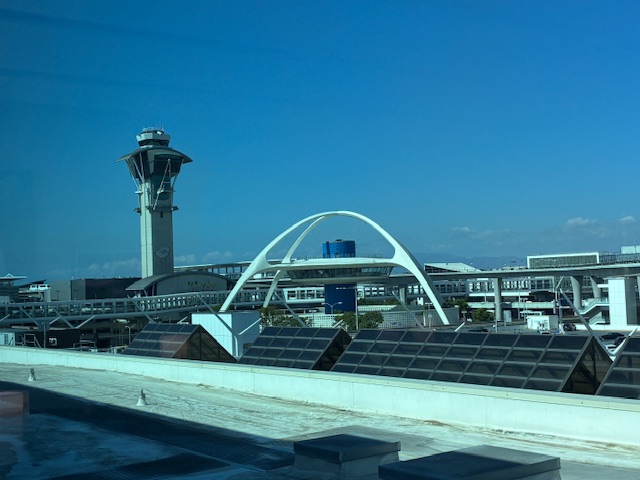
When a passenger is injured during an international itinerary, from LAX, Dulles or other airport, an international law known as the Montreal Treaty may provide legal redress
While air travel is generally safe, Doug Landau and the air injury team at ABRAMS LANDAU have helped travelers injured by
- Allergic reactions to food served on board an aircraft.
- Being struck by drink carts, beverage carts, serving trays.
- Falling luggage, seat backs, and ceiling units.
- Scalding liquids, like coffee, tea & ramen noodles.
- And even a used hypodermic needle in a seat back pocket.
So what happens if a passenger, or their child, is injured by a flight crew member who serves them a food that they are allergic to during a flight?
For example, if a mother advises every member of an airlines staff as to her child’s dairy, peanut or wheat allergy, and during a flight, the child is served a food containing the allergen, and the child becomes ill, needs medical treatment in flight and is hospitalized upon landing, what are the parents’ legal remedies?
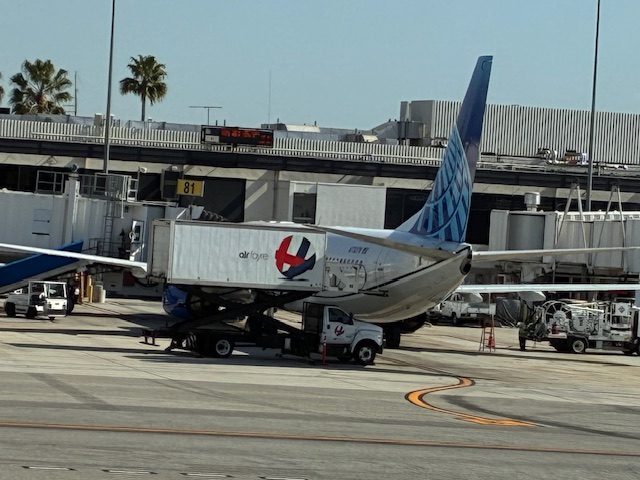
Foods containing allergens that could be fatal to an airline passenger are a known danger in the airline industry
If the itinerary involved international travel, then the case is likely subject to an treaty known as the “Montreal Convention.” If such a passenger is harmed by their being served food, for example, with peanuts in it, after alerting the reservationists, flight crew members and food service personnel of the allergy, then they may have a claim against the airline for their injuries. In international itineraries, the Defendant airline’s liability is triggered by the occurrence of an “accident” as defined in the Montreal Convention. The Montreal Convention is the comprehensive treaty governing international air carriage. Nearly every airline has signed on to this agreement, as it makes injuries and losses predictable for these carriers and their insurance companies. The U. S. Supreme Court has defined an accident as “an injury caused by an unexpected or unusual event or happening that is external to the passenger and not caused by his own internal reaction to the normal operation of the aircraft.” Air France v. Saks, 470 U.S. 392, 405 (1985).
Once determination of accident is made, and the carrier is found liable under the Montreal Convention, there are limits to the airline’s monetary liability, IF it can prove:
(a) such damage was not due to the negligence or other wrongful act or omission of the carrier or its servants or agents; or
(b) such damage was solely due to the negligence or other wrongful act or omission of a third party”
There have been reported incidents involving airlines serving passengers with known, potentially fatal food allergies. In January 2023, television personality Jack Fowler publicly reported that, despite repeatedly advising Qatar Airways personnel of his severe nut allergy, he was twice served food containing nuts during the same flight, resulting in a serious allergic reaction. https://www.bbc.com/news/articles/cxeernx1e24o
In 2025, a vegan California cardiologist, despite ordering a special meal, died after being served a meal with meat and told to “eat around it” by Qatar cabin crew members. https://www.the-independent.com/news/world/americas/qatar-airways-flight-death-vegetarian-meal-choking-aspiration-b2841424.html
More recently, in the fatal case involving 16-year-old Jason Hu, the family alleges that Qatar Airways personnel were advised of his severe food allergies, nevertheless assured him that food was safe, and ultimately served him a sandwich that was believed to have precipitated a fatal anaphylactic reaction. https://www.allergicliving.com/2026/07/18/teen-died-of-allergic-reaction-to-airlines-sandwich-family-sues/
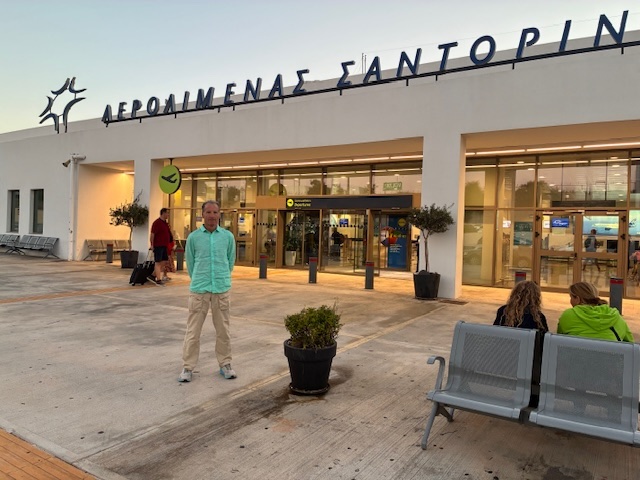
Doug Landau, shown returning from a trip to Greece, helps air travelers injured in the air, on the ground and in the terminals
More recently, in a case that the ABRAMS LANDAU air injury team is working on, a child was given a Snickers bar many hours into an international flight to the middle East, despite the mother’s warnings about her allergies. The mother had brought her own safe food for the child; had refused all airline food (even the “Vegan options”); and had asked a flight attendant to watch her child while she used the bathroom. A flight attendant admitted giving the child the candy bar, after which the young girl went into anoxic anaphylactic shock. The resulting anaphylactic reaction required emergency intervention and ultimately intensive care hospitalization. This was not an obscure ingredient overlooked in a complicated meal preparation or a last minute switch in the onboard menu. It was an employee allegedly providing a known allergen directly to a particularly vulnerable young child after receiving explicit warnings not to do so. And why would a flight attendant give anything to eat to someone’s child while the parent was not present?
Indeed, Qatar Airways publicly acknowledged the Fowler incident and announced an investigation in 2023. The subsequent allegations involving Jason Hu and our three-year-old client make it reasonable to question what corrective measures, if any, were actually implemented. One also wonders whether meaningful training followed, and whether the airline’s management treated these events as serious safety failures or merely isolated customer-service or communication problems. We learned during discovery that our case also became the subject of flight attendant training, which was apparently of little avail to Mr. Wu. Bottom line: Airlines should be held accountable when they cause unnecessary harm. In cases where an innocent passenger is injured, then the Montreal Convention provides an avenue for relief.
If you, or someone you care about has been injured on board an aircraft, and there are questions about the law and what can be done, please call us at 703-796-9555 or e-mail us at ABRAMS LANDAU, Ltd. right away, as there are strict legal deadlines in these kinds of cases.